Advise and challenge the strategy
An outside view on your AI plans, from someone who rolls them out.
- Which tools, in which order
- Build or buy, and where the risks are
- Pushing vendors for enterprise features
 Jonathan Gelin, AI harness engineer for developer experience
That is the part I help with: the strategy, and the harness that connects agents to your standards, your CI/CD and your data.
Book a 30-minute call How I can help
20+ years improving how teams deliver software, now helping organizations get past the AI pilot.
Automation is the accelerator: it pushes more work to the agents. Checks and reviews are the brakes, and good brakes are what let you go faster without drowning in low-quality pull requests. Here is each part, and what I bring to it.
Guides steer before it acts
Sensors Brakescheck after it acts
Steering loop: every review becomes a rule, so the same comment is never written twice.
Code is no longer the bottleneck: planning, review and maintenance are. Copying today's hand-offs onto agents only speeds up the old process, so each stage changes, and people keep the judgment.
Every session and incident feeds back as context, a new intent or a new eval, and the loop starts again. Git keeps the audit trail.
The tools change every quarter. Knowing where the market goes, and bringing people along, matters as much as the code.
An outside view on your AI plans, from someone who rolls them out.
I test the tools myself and turn the noise into clear recommendations.
Adoption is a people topic. I explain, demo and teach until it sticks.
Nx Champion. Speaker at React Brussels, Monorepo World, DevFest Nantes, This Is Learning Conf. 25 articles and 4 talks
The principles I bring to every engagement, learned from rolling out agents in real organizations.
Agents amplify the design you did, or the lack of it. The architecture and the plan stay human decisions.
Research and plans get the closest human review. A wrong plan costs far more than a wrong line of code.
Raise the quality bar with checks and review agents before adding more agents. Otherwise you only produce more rework.
Small, focused contexts beat long conversations. Sub-agents control context; they are not job titles.
Telemetry and evals decide which plugins to improve or retire, not opinions or vendor demos.
Adoption is a culture change led from the top, with depth on one tool rather than comparing five. Without it, juniors ship more with AI while seniors clean up after it.
Every step has been about how teams build software better. AI is the next step, not a change of direction.
2006
Developer
2013
Lead developer & Scrum master
2017
DX architect & Nx
2024
AI in the SDLC
2026
AI engineering factory
Read the full recommendationHe is my go-to person for technical questions, not simply because he knows the technology, but because he is constantly exploring it hands-on. I regularly ground my own thinking in his insights before making decisions.
 Thomas Mauroy
 Read the full recommendationHe reshaped how we think about and work with our tooling from the ground up. Jonathan also brought strong AI skills to the table, introducing AI carefully and intentionally, only where it genuinely made sense.
 Jose Badeau
 Read the full recommendationHe has the energy and passion, the vision, and technical expertise to drive a team, suggest roadmaps, and implement solutions at an amazing speed and quality.
 Miguel Perez Sanchis
 Read the full recommendationJonathan was entrusted with the challenge of leading our teams through the migration of a substantial legacy frontend codebase to a modern, state-of-the-art monorepo.
 Karel Frederix
 Read the full recommendationHe sports a can-do mentality and manages to raise the quality bar across an Engineering department. Sound boarding with him does not get boring: never condescending, always enlightening.
 Igor Kalders
 Organizations I've worked with
 Swift
Swift  Julius Baer
  Caseware
  Entain
  Marigold
  Thalys
  Sodexo
  Thales
  European Commission
  Fednot
  RTBF
RTBF  Roularta
  Edebex
  I.R.I.S.
 What I learn in real engineering organizations.
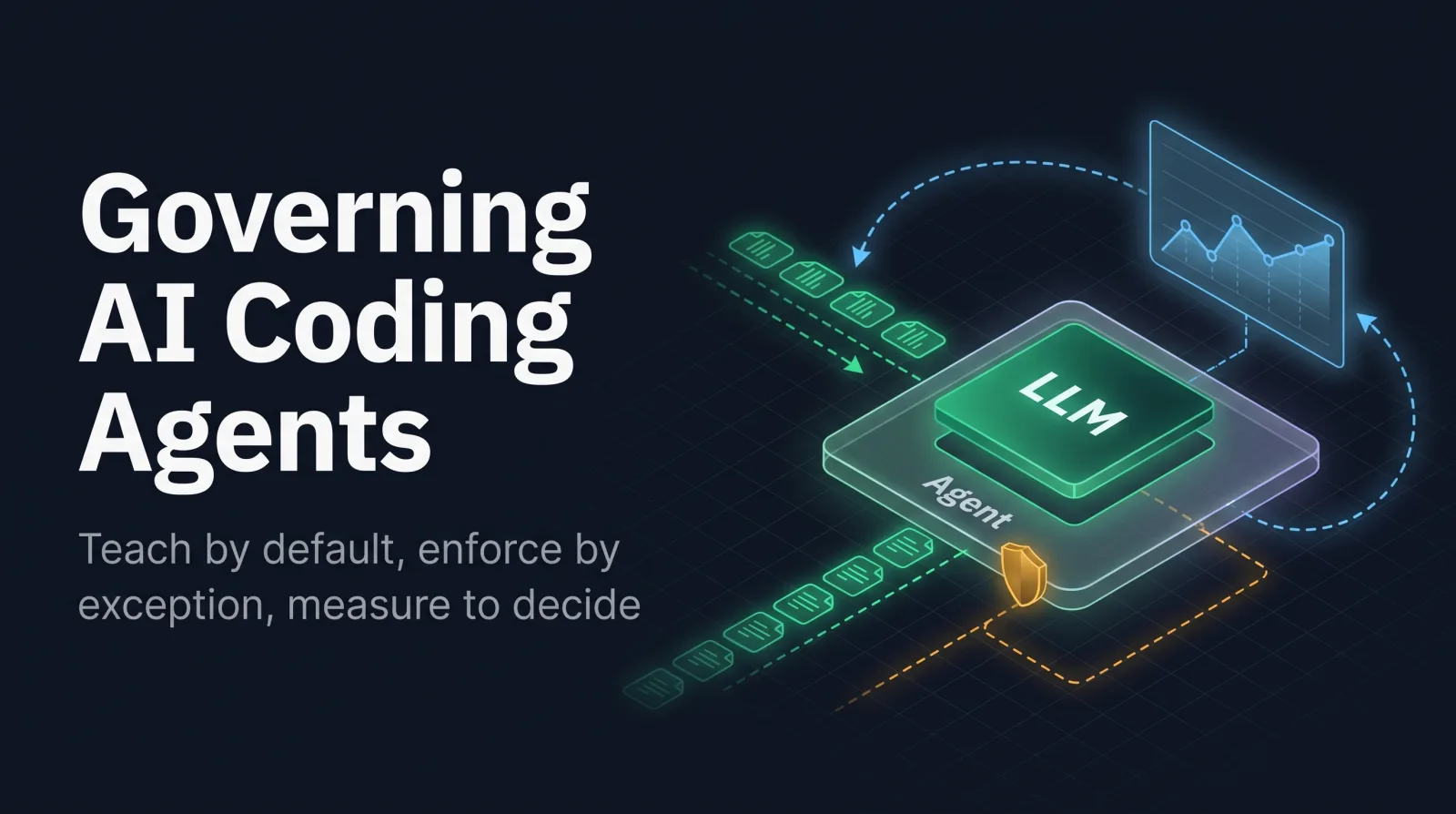
Teach by default, enforce by exception, measure to decide.
How reusable, markdown-based instructions are becoming the npm of AI agent development
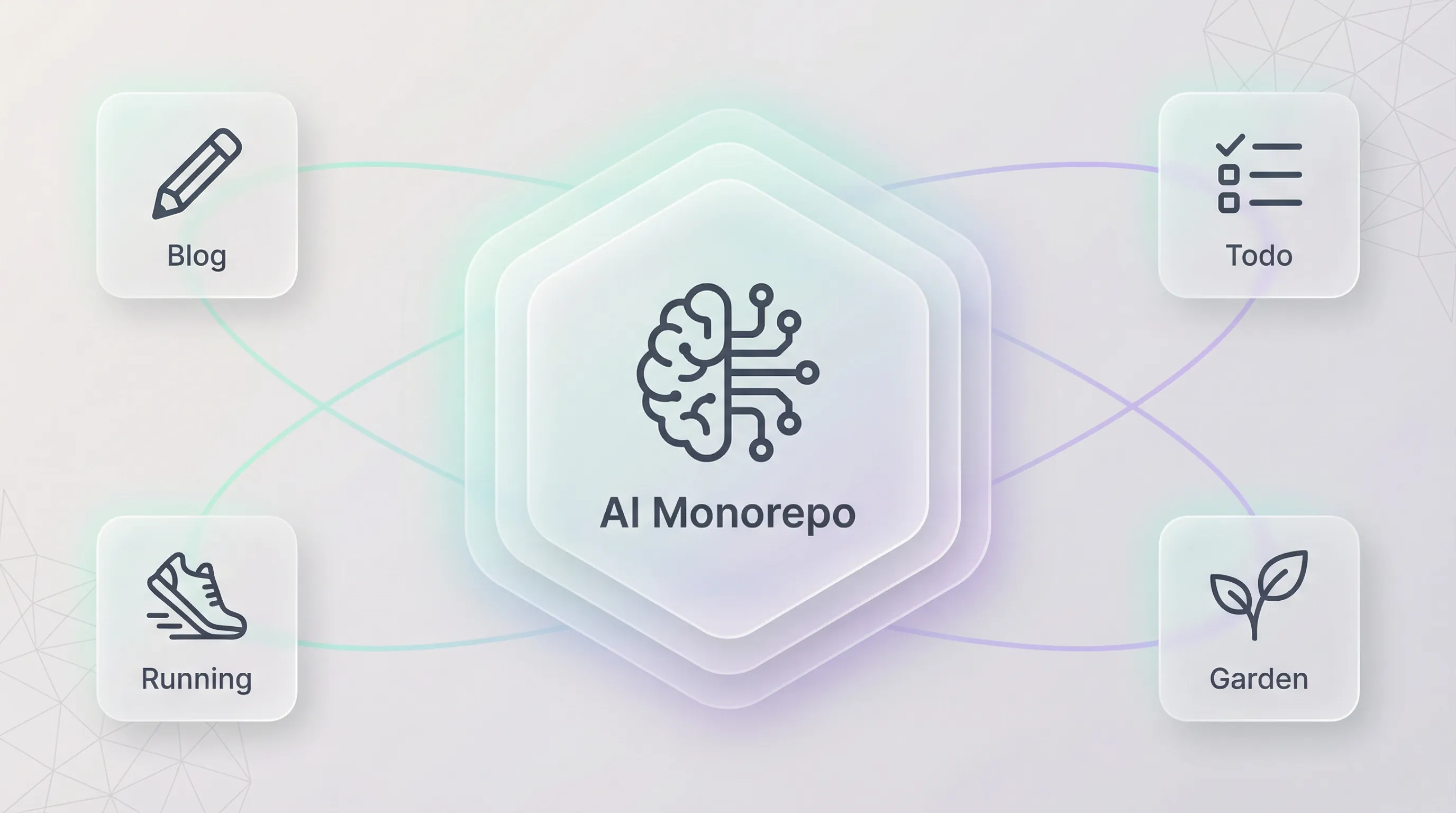
A personal take on applying monorepo principles to an AI-powered life workspace
A stalled pilot, agents that ignore your standards, no idea what the tools really bring? A 30-minute call is usually enough to see where I can help.
Book a 30-minute call or write to [email protected]